
Emergency Treatment of PFAS Contaminated Flood Water
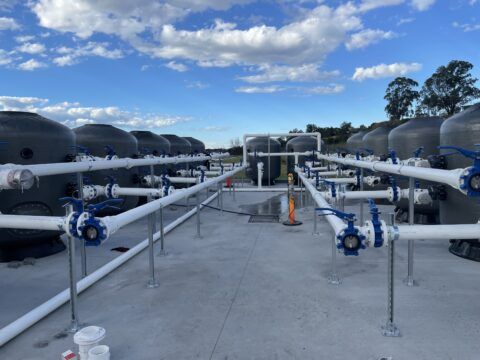
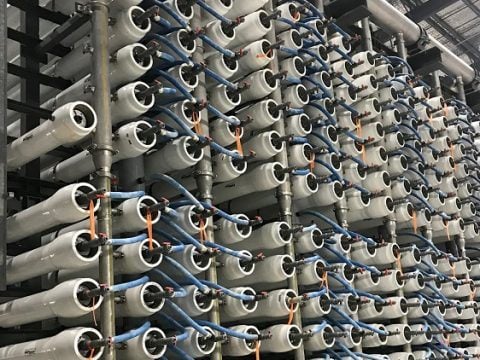
City Water Technology was engaged by Veolia Environmental Services to provide specialist process, project management and operations support for an emergency PFAS water treatment plant in Sydney.


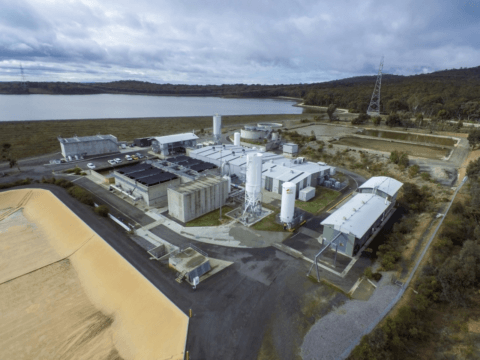
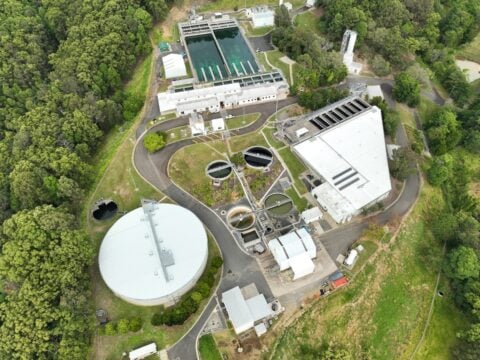
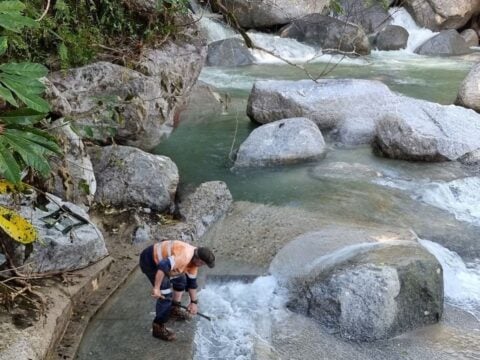
CWT, as part of an emergency response team, addressed post-Cyclone Jasper water supply issues at Mossman WTP for Douglas Shire Council.
Following Cyclone Jasper, the Mossman Water Treatment Plant experienced widespread operational, reliability, and safety issues across the raw water intake, treatment processes, storage, and supporting systems. Key challenges included sediment blockages at the inlet, airlocks and pressure surges in the raw water main, reduced sediment removal during high rainfall, prefilter pressure losses and poor cleaning performance, underperforming membrane skids, reservoir overflow risks, unreliable turbidity measurements, manual valve operations, unsafe chlorine dosing arrangements, limited service water redundancy, wastewater system startup issues, limited SCADA functionality, poor workplace lighting, and the absence of a holistic operability review after multiple upgrades.
CWT proposed a coordinated set of improvements to address these issues. These included managing or redesigning the inlet dam, controlled filling of raw water mains with adequate air release, improved pressure regulation, restoring and integrating hydrocyclones with upgraded prefilters, standardising membrane skids, adding redundancy and direct level indication for reservoirs, re-commissioning online turbidity analysers, automating valves and improving bypass arrangements, upgrading chlorine dosing safety, providing redundant service water pumps, resolving wastewater and SCADA communication issues, improving plant-wide monitoring and lighting, and undertaking a comprehensive HAZOP study to assess overall plant safety and operability.
Implementing these recommendations will significantly improve plant resilience, operational efficiency, and safety. The upgrades will stabilise flows and pressures, enhance sediment and turbidity control during extreme events, increase membrane performance and reliability, reduce manual intervention, improve chemical dosing safety, ensure continuity of essential services, and enable effective real-time monitoring and control. A whole-of-plant HAZOP will further ensure that risks introduced through past and future upgrades are systematically identified and mitigated, supporting safe and reliable long-term operation.