

Emergency Treatment of PFAS Contaminated Flood Water
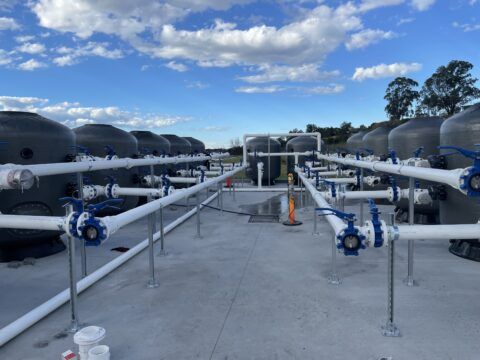
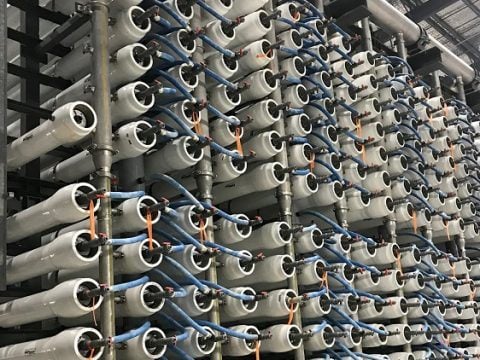
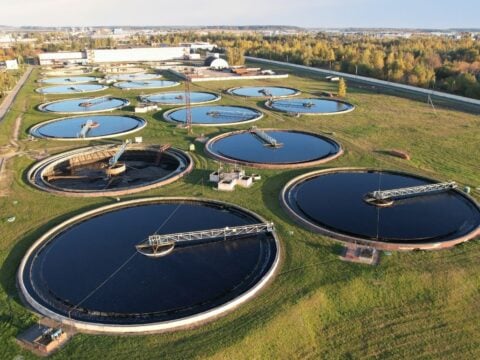
City Water Technology was engaged by Veolia Environmental Services to provide specialist process, project management and operations support for an emergency PFAS water treatment plant in Sydney.


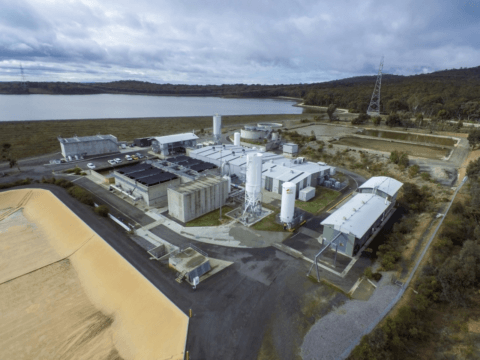
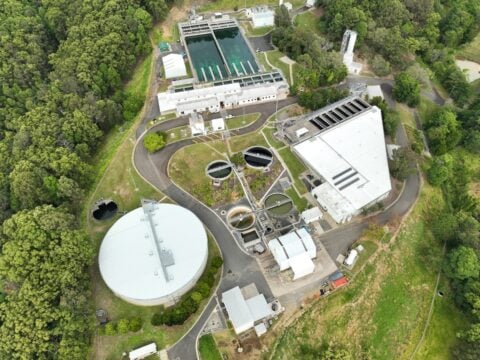
CWT was engaged to develop an artificial intelligence model to predict and optimise coagulant dosing at a NSW water treatment plant. Using historical water quality and dosing records, the project focused on improving dosing accuracy and embedding the tool into the operator’s existing workflow for practical, on-site use.
For more information, check out our detailed Case Study.
End-to-end model delivery
Coagulant dosing varies with changing raw water conditions, and manual dosing decisions can lead to inconsistent outcomes and unnecessary chemical use. The plant required a reliable prediction tool that could use routine water quality inputs (e.g., UV254, turbidity, alkalinity and other parameters) and fit seamlessly into existing operational practices.
CWT delivered a four-step approach: preparing and cleaning the training dataset, training a Random Forest Regression model, validating predictions through residual analysis, and deploying the model via a Microsoft Azure serverless environment.
The final solution was integrated into the operator’s Excel workbook (via Power Query/API), returning real-time dosing predictions as operators update water quality parameters.
The model achieved strong predictive performance (R² of 0.883 and RMSE of ~1.59 mg/L), supporting more consistent dosing decisions within typical operating ranges. Serverless hosting provided a highly cost-effective, scalable deployment method (with fast response times and minimal ongoing cost) while also enabling future retraining and version control as plant conditions and datasets evolve.