
Emergency Treatment of PFAS Contaminated Flood Water
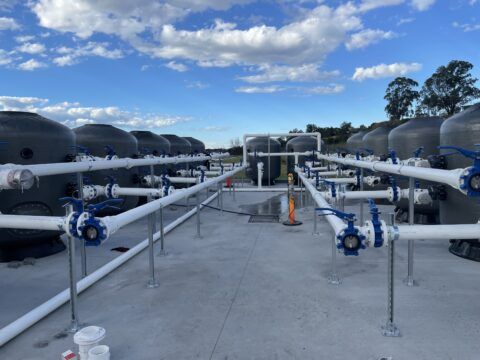
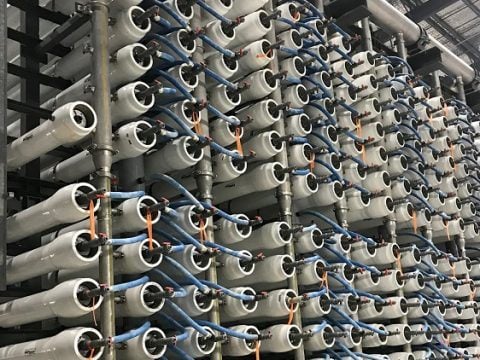
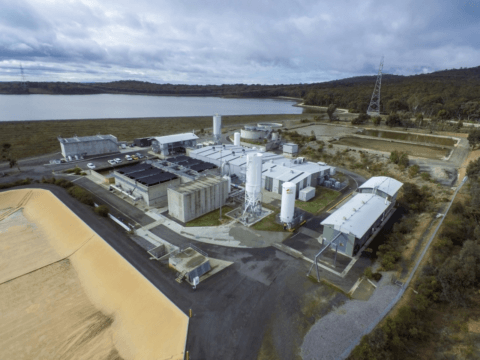
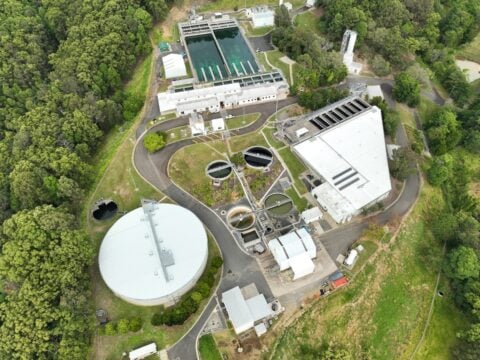
City Water Technology was engaged by Veolia Environmental Services to provide specialist process, project management and operations support for an emergency PFAS water treatment plant in Sydney.


Per- and polyfluoroalkyl substances are a group of over 4,000 synthetic, man-made chemicals that are more commonly referred to as ‘PFAS’. Part of their structure is an extremely strong and stable fluorine-carbon bond that gives them unique physical and chemical properties that make them resistant to heat, stains, grease, and water penetration. It is these durable and resistant properties that led to their widespread use from the mid-20th century in the manufacturing of a variety of industrial and consumer products that require or impart a protective barrier.
However, while not yet conclusively proven through human medical studies, long term exposure to PFAS is suspected to be carcinogenic. While global efforts are being encouraged to limit exposure and address the risks associated with PFAS chemicals, it is estimated that the majority of Australians already have a detectable concentration of PFAS in their blood.
CWT has prepared a factsheet to help explain the sources of PFAS in water sources and the risks they pose and discusses the difficulty in not only removing PFAS from water but also managing the waste streams generated. The factsheet offers guidance on the relative efficacy of the options currently available at WTP-scale and consideration of disposal options.
The factsheet can be downloaded for free from the following links:
PFAS Factsheet – summary version
PFAS variants are distinguished by their chain lengths and the different functional groups at one end of the chain. It is these functional groups that play a significant role in their relative toxicity.
With renewed attention and media coverage of PFAS detections across the Australian water industry, there has been a growing international consensus that the risks posed by PFAS are more significant than originally thought. While not yet conclusively proven through human medical studies, long term exposure to PFAS is suspected to be carcinogenic. Animal studies have shown that high doses of PFAS can cause cancer in animal subjects, delay physical development, cause endocrine disruption and increase newborn mortality, however the absence of human studies demonstrating a conclusive link between PFAS and ‘adverse health outcomes’ in humans has resulted in a lack of consensus with health authorities around the world setting different maximum acceptable exposure limits.
As a by-product of their stability and resilience to external factors, chemicals within the PFAS group take a long time to break down (some in excess of 1000 years), both in the environment and within organisms, leading to their being known as ‘forever chemicals’. PFAS chemicals are concerning for water authorities due to their persistence in the environment and ability to spread from their original point of contamination and as the fluorine-carbon bond in PFAS compounds requires such a significant amount of energy to break, this energy demand is beyond that of nearly all existing treatment processes common in WTPs.
CWT’s factsheet helps explain the sources and cycles of PFAS contamination in water sources and the risks they pose to consumers and water authorities. It discusses the difficulty in not only removing PFAS from water but how the concentrated waste streams need to be handled to avoid recontamination and summarises the options currently available for managing PFAS contaminations at source, technologies for removing PFAS, and consideration of disposal methods.